
Cart
0
Senate wants to go back to the old Army Physical Fitness Test
The Senate Armed Services Committee has released a draft summary of the National Defense Authorization Act (NDAA) that seeks to kill the Army Combat Fitness Test (ACFT) and revert to the previous Army Physical Fitness Test (APFT).
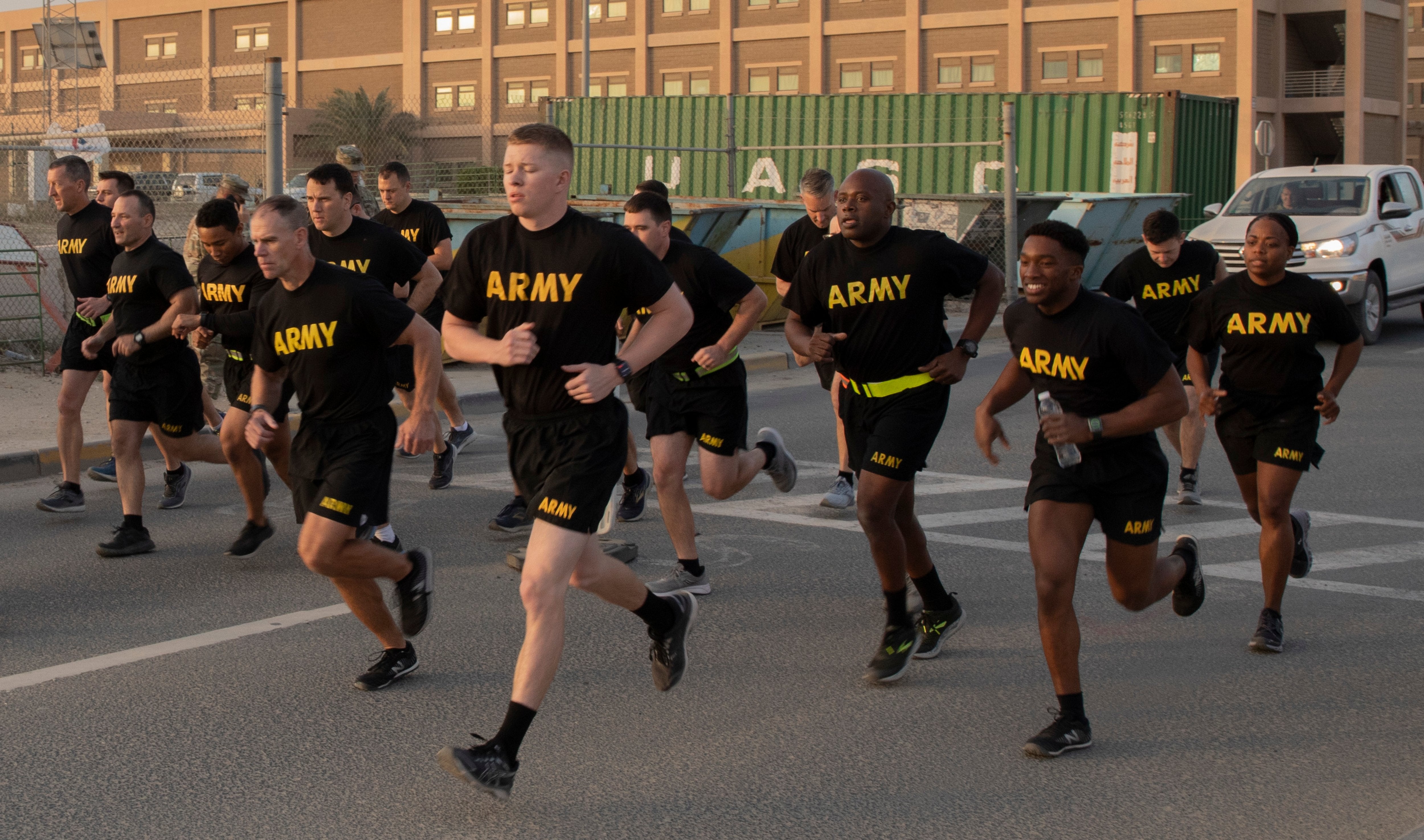
This proposed move by the Senate has sparked controversy among senior leadership and confusion among the rank and file. However, it is important to note that the draft legislation is far from final and will undergo extensive negotiations before reaching the president’s desk for approval. In recent years, the Army has placed great emphasis on the ACFT, which has played a significant role in evaluating and promoting Soldiers.
The Army has made substantial investments in resources such as strength coaches, dietitians, fitness facilities, and testing protocols. The initial cost of equipment alone amounted to at least $78 million. Returning to the APFT would not only hinder the progress made in training but also cause confusion and frustration among Soldiers who have adapted to the ACFT after its extensive development.
Gear Spotlight- What Our Readers Are Picking Up



Sergeant Major of the Army Michael Grinston strongly opposes the change proposed by the Senate and draws a comparison to downgrading from the more advanced M4 weapon to its predecessor, the M16. He considers the idea unreasonable and illogical. Additionally, the fact that Army leaders and their staff were not consulted on this provision has further intensified the situation.
Reverting to the APFT would have an immediate impact on the new policy that exempted soldiers from body fat testing if they scored 540 or higher on the ACFT. This policy was a notable advancement and served as a motivating factor for Soldiers to maintain a high level of fitness.
The development of the ACFT began approximately in 2010 to establish updated fitness standards that would align with the demands of the Global War on Terror and combat scenarios in challenging environments. Recognizing the limitations of the APFT, which had been in use since the 1980s, there was a consensus that it did not adequately measure overall fitness or foster the desired fitness culture within the Army.
In 2019, the Army introduced the ACFT as a beta test, undergoing a pilot phase to refine the events and standards. However, due to the unexpected impact of the COVID-19 pandemic, the timeline for implementing record-graded tests was extended, and it wasn’t until 2022 that they were finally conducted. Should the provision in the draft NDAA becomes law, the Army could potentially be without a test for record until 2027, resulting in a significant setback in assessing physical fitness.
Richard Blumenthal and Senators Kirsten Gillibrand raised concerns about the ACFT test, leading to a third-party study on its impact on recruiting and retention, especially among women. The Army’s intentions to create a gender-neutral test were challenged by Republicans. The ACFT is widely regarded as a superior measurement of fitness, evaluating strength, endurance, and agility. Sergeant Major Grinston, a strong advocate, emphasized that the test prepares Soldiers for future warfare, demanding strength, balance, agility, and quick response times.


