
Cart
0
South Korean President Yoon Declares Martial law
South Korean President Yoon Suk Yeol declared martial law, citing North Korean threats and political unrest, sparking domestic and international concerns.
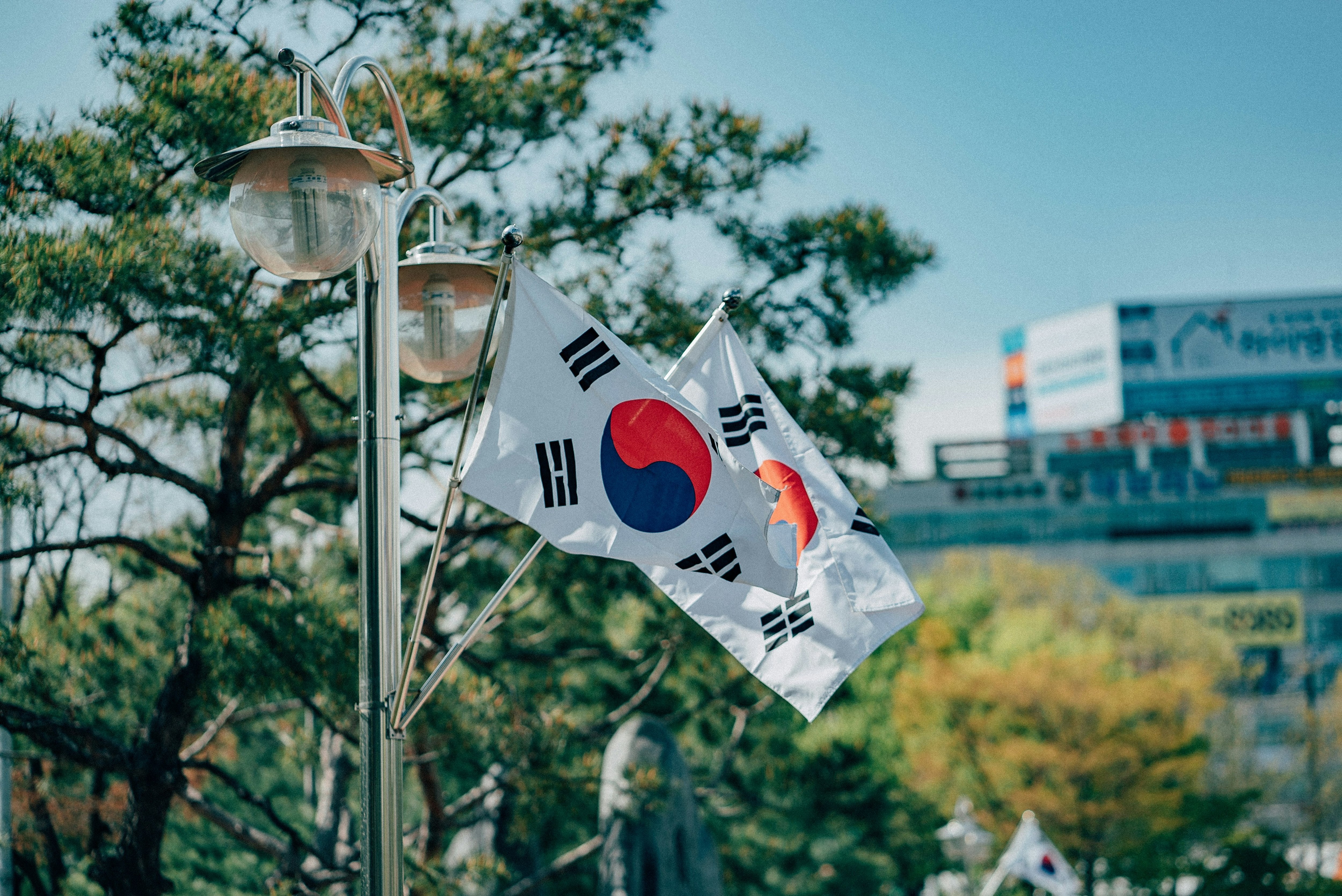
Bucheon, gyeonggi-do, south korea, and korea in Bucheon-si, South Korea by Daniel Bernard (@nardly) (Unsplash)
SEOUL — South Korean President Yoon Suk Yeol declared martial law late Tuesday in an unannounced televised address, accusing opposition parties of sympathizing with North Korea and undermining the country's governance.
“I declare martial law to protect the free Republic of Korea from the threat of North Korean communist forces, to eradicate the despicable pro-North Korean anti-state forces that are plundering the freedom and happiness of our people, and to protect the free constitutional order,” Yoon said on YTN, as reported by Reuters.
Gear Spotlight- What Our Readers Are Picking Up



Martial law, which allows for temporary military rule during emergencies when civil authorities are deemed unable to function, was last declared in South Korea in 1980. Yoon did not elaborate on how this measure would affect the nation’s democratic governance or day-to-day operations. No immediate signs of military presence, such as tanks or soldiers, were reported in Seoul or other parts of the country.
The announcement sent the Korean won tumbling sharply against the U.S. dollar and sparked widespread political tension.
Yoon’s conservative administration, in office since 2022, has faced growing challenges, including an opposition-controlled parliament, plummeting approval ratings, and controversies surrounding his policies. The Democratic Party, led by opposition leader Lee Jae-myung, holds a majority in parliament and has repeatedly clashed with Yoon’s People Power Party, most recently over next year’s budget and efforts to impeach top government officials.
Han Dong-Hoon, leader of Yoon’s party, pledged to oppose the martial law declaration, according to Yonhap News Agency. In response, South Korea’s defense minister convened a meeting of key military commanders and ordered heightened vigilance across the nation.
Lee Jae-myung condemned the declaration, warning it would lead to the country's irreversible collapse. “Tanks, armored personnel carriers, and soldiers with guns and knives will rule the country,” Lee said, urging citizens to gather at the National Assembly.
The move has raised concerns domestically and internationally as South Korea, a key U.S. ally, navigates its most significant political and constitutional crisis in decades.


