
Cart
0
DoD bans drag shows, upsets both sides of the aisle
The Defense Department’s recent decision to halt drag shows on military bases has ignited passionate debates among individuals with differing views on the matter. Supporters of the unofficial ban are pushing for its formalization and permanence, with Republican lawmakers even proposing legislation to prohibit “adult cabaret” performances.
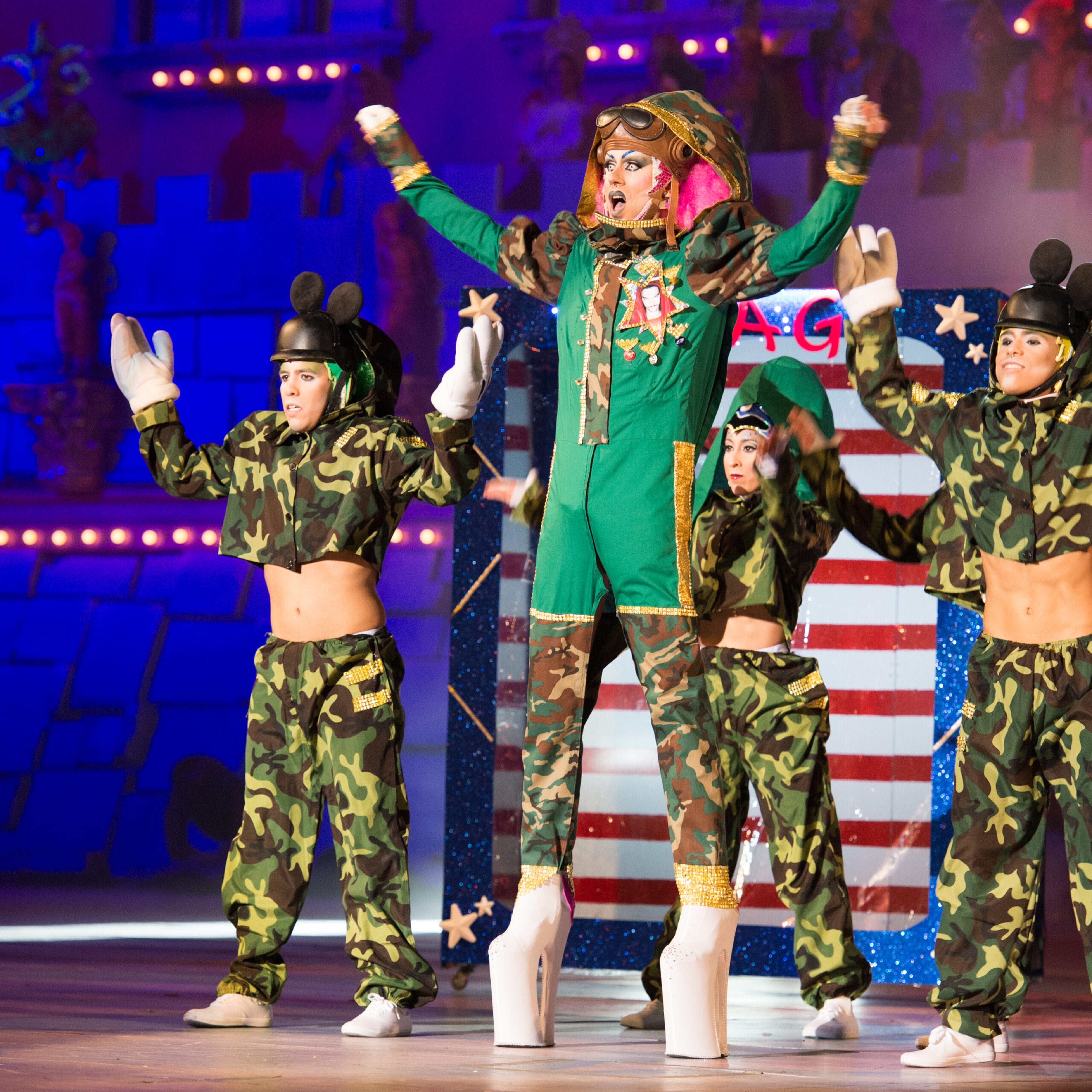
Conversely, opponents contend that the ban contradicts previous policies and raises concerns about potential discrimination that could adversely impact military recruitment efforts. The controversy unfolded when Defense Secretary Lloyd Austin personally intervened to cancel a drag show scheduled for June 1 at Nellis Air Force Base in Nevada, coinciding with the commencement of Pride Month.
<blockquote class="twitter-tweet"><p lang="en" dir="ltr">Pentagon bans drag shows on military bases after GOP pressure<a href="https://t.co/mEsmEYUEpo">https://t.co/mEsmEYUEpo</a></p>— WBTW News13 (@WBTWNews13) <a href="https://twitter.com/WBTWNews13/status/1664784014756966403?ref_src=twsrc%5Etfw">June 3, 2023</a></blockquote> <script async src="https://platform.twitter.com/widgets.js" charset="utf-8"></script>
Gear Spotlight- What Our Readers Are Picking Up



Despite similar events have taken place in previous years without interference, Austin justified his decision by asserting that the Pentagon would no longer host drag events or allocate Defense Department funds for such activities on military installations. Defense officials clarified that the majority of recently canceled events were privately funded, with no utilization of government funds.
Supporters of the prohibition stress the importance of clarity and argue that drag shows are not in line with military principles. They assert that canceling these events promotes inclusivity and prevents the misappropriation of Department of Defense (DoD) resources. Conversely, opponents contend that the ban undermines previous guidelines that granted local commanders the discretion to determine the permissibility of events. They raise concerns about Secretary Austin’s intervention and fear that discriminatory policies could have a detrimental effect on an already struggling recruitment process.
Detractors of the prohibition emphasize the longstanding presence of drag performances in the military, evident in photographs dating back to the 1920s. They also point out that the military has hosted various types of entertainment, including performers in revealing attire. LGBTQ advocacy organizations like GLAAD question the specific targeting of drag events for rejection, particularly when no federal funds were utilized in their organization.
Jennifer Dane, a former intelligence analyst and Air Force veteran, policies such as the ban on drag shows could have negative consequences for military recruitment and national security. She believes that these exclusive policies discourage talented individuals from joining the military and send a clear message that they are not welcome.
On the other hand, Pentagon press secretary Brig. Gen. Pat Ryder maintains that Defense Secretary Austin’s decision to cancel the events aligns with a longstanding policy. Ryder emphasizes that the Department of Defense (DoD) will not host drag events on military bases, highlighting that service members have personal outlets and that diversity is acknowledged.
Conservatives argue that the Pentagon’s approach to drag shows has been inconsistent. They point to a letter from Assistant Air Force Secretary Alex Wagner, who defended a drag show held at Malmstrom Air Force Base in Montana in June 2021. In response, Senator Steve Daines and Representative Matt Rosendale, both Republicans from Montana, have introduced bills to clarify the Pentagon’s policy. Their proposed legislation aims to prohibit the use of Pentagon funds or facilities for drag performances and adult cabaret shows, respectively.


